
The Palace of the Nation
Brussels, Belgium
www.senate.be / www.lachambre.be

Fig. 1 – The façade on the Rue de la Loi
© Belgian Senate & House of Representatives
The Palace of the Nation in Brussels
Seat of the Belgian Federal Parliament
Text : Sophie Wittemans, Curator of the collections, Palace of the Nation
Built at the end of the reign of Empress Maria Theresa of Austria to designs by Barnabé Guimard, the Palace of the Nation has housed the Belgian Senate and House of Representatives since the Belgian independence in 1830. Its pediment (fig. 2), decorated (at least originally) with a bas-relief by Gilles-Lambert Godecharle depicting Justice rewarding virtue and punishing vice, bears witness to its judicial function under the Austrian and French regimes. To adapt the building to its parliamentary function, Charles Vander Straeten built a first hemicycle in 1814 (which became the session room of the House of representatives and of the National Congress in 1830) and Tilman-François Suys added the Senate hemicycle in 1849. Two grand staircases lead up to these rooms from the peristyle.
After a devastating fire at the end of 1883, the peristyle (fig. 4) and the House’s hemicycle were rebuilt in a neoclassical style by Henri Beyaert, while various lounges and reading rooms were decorated in the neo-Louis XVI style (see treasure 1). The Senate’s hemicycle was decorated in the Second Empire style by Léon Suys in 1863 (see treasure 2).
At the front, facing the Rue de la Loi, the wings forming the Place de la Nation (fig. 1), occupied by various bodies since 1783, were converted in the second half of the 20th century into the reception rooms of the Presidency of the Senate and the House of Representatives. Like the other rooms in the Palace of the Nation and its annexes, they are richly decorated with paintings, sculptures and tapestries by talented Belgian artists from the 17th up to the 21st century.
At the back, facing the Rue de Louvain, two wings added around 1875 form a courtyard. In its centre, in a small garden, the ‘Fountain with Kneeling Youths’ by George Minne, installed in 1936, now welcomes visitors (see treasure 3).
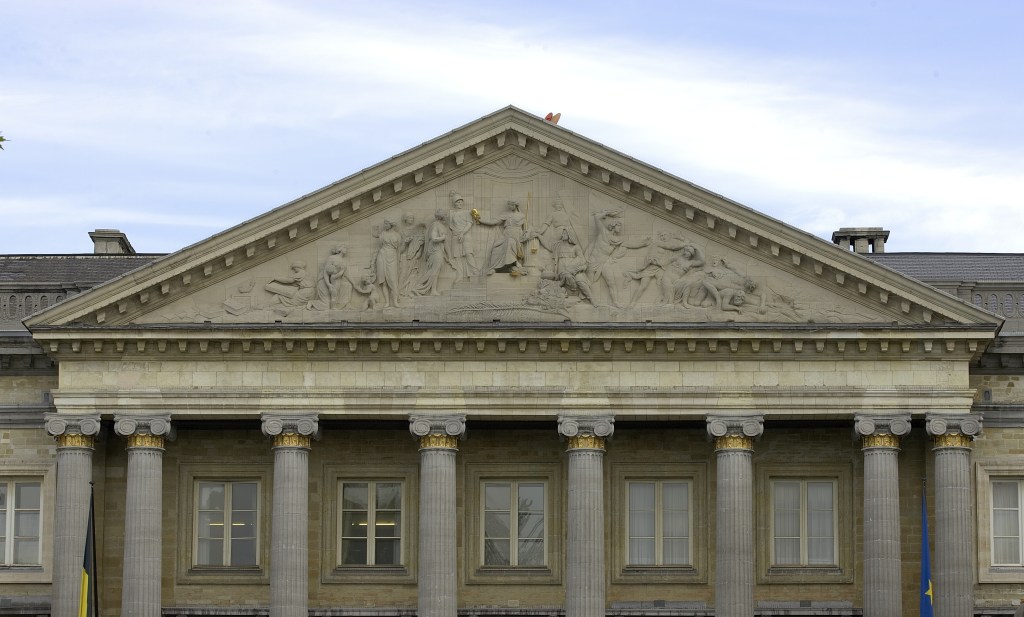
Fig. 2 – The pediment of the façade on the Rue de la Loi
© Belgian Senate & House of Representatives
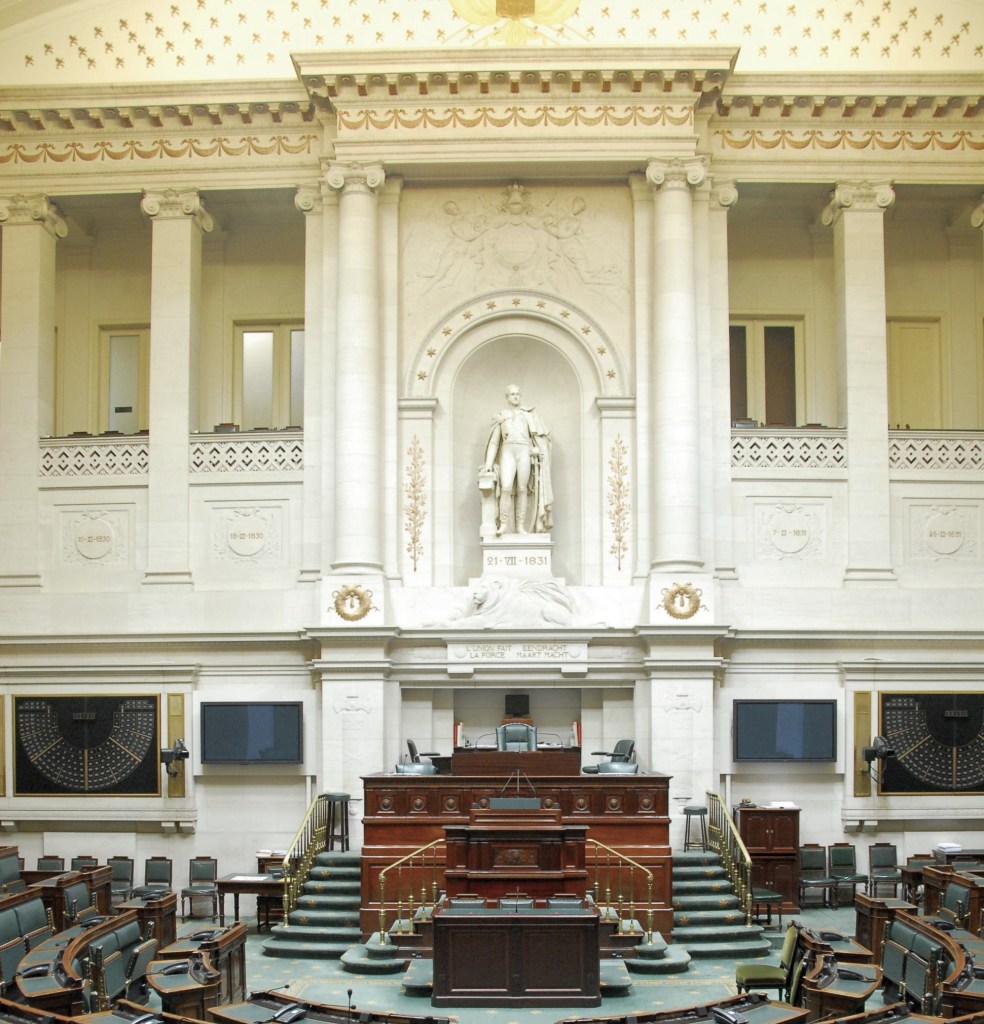
Fig. 3 – The plenary room of the House of Representatives
© Belgian Senate & House of Representatives
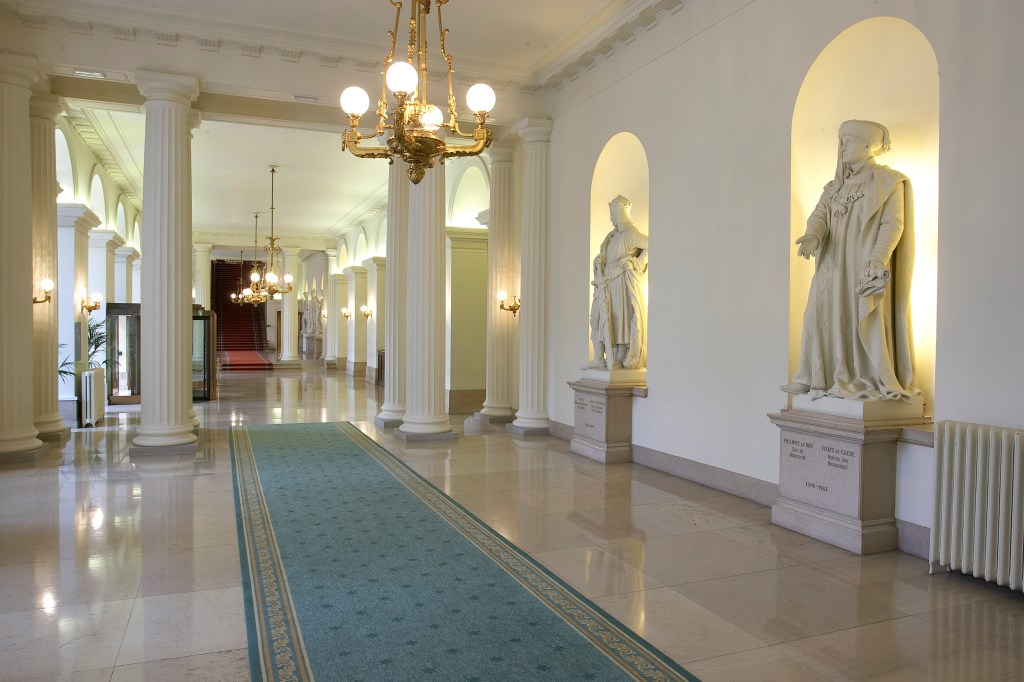
Fig. 4 – The peristyle between the Senate and the House
© Belgian Senate & House of Representatives
A SELECTION OF TREASURES
The Reading Room of the House of Representatives
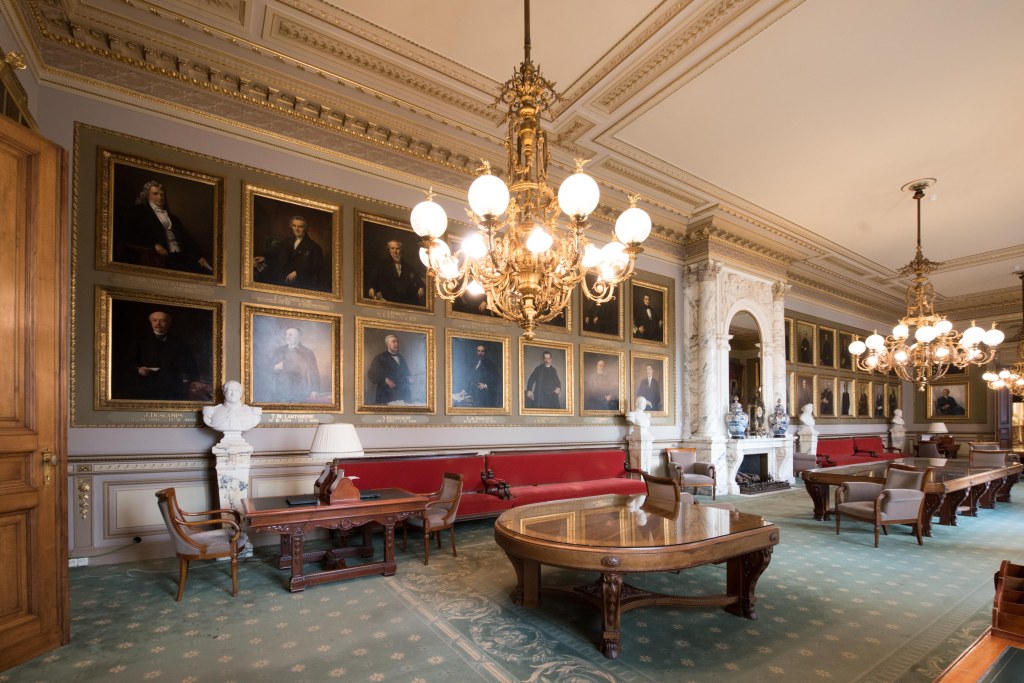
Fig. 5 – The Reading Room of the House of representatives
© Belgian Senate & House of Representatives
From the time of the Dutch regime until 1849, the current Reading Room of the House was used as a plenary session room by the First Chamber and then by the Belgian Senate. Located on the first floor, in the centre of the main building, its windows open on to the Place de la Nation and, beyond the park, to the Royal Palace of Brussels. In the centre of the room, the overmantel of the fireplace (fig. 7), part of which dates from 1814, was decorated with sculptures of Fame by François Rude before the fire of 1883. These were then redone by Charles Fraikin. More generally, the architect Henri Beyaert redesigned the salon after the fire in the neo-Louis XVI style. He designed the furniture and created a two-tier gallery on either side of the fireplace with slightly recessed portraits of the Presidents of the House (fig. 8). This tradition of portraying the Presidents of the two Assemblies goes back to an initiative of the Minister of the Interior, Charles Rogier, who proposed in 1849 that portraits should also be made of the Presidents of the Chambers since Belgian independence. In 1860, busts of the members of the provisional government of 1831 were added, forming the beginning of a « gallery of political figures who have rendered eminent services to the country ». Full-length portraits of Belgian monarchs also found their way into this room and the adjoining Conference Room.
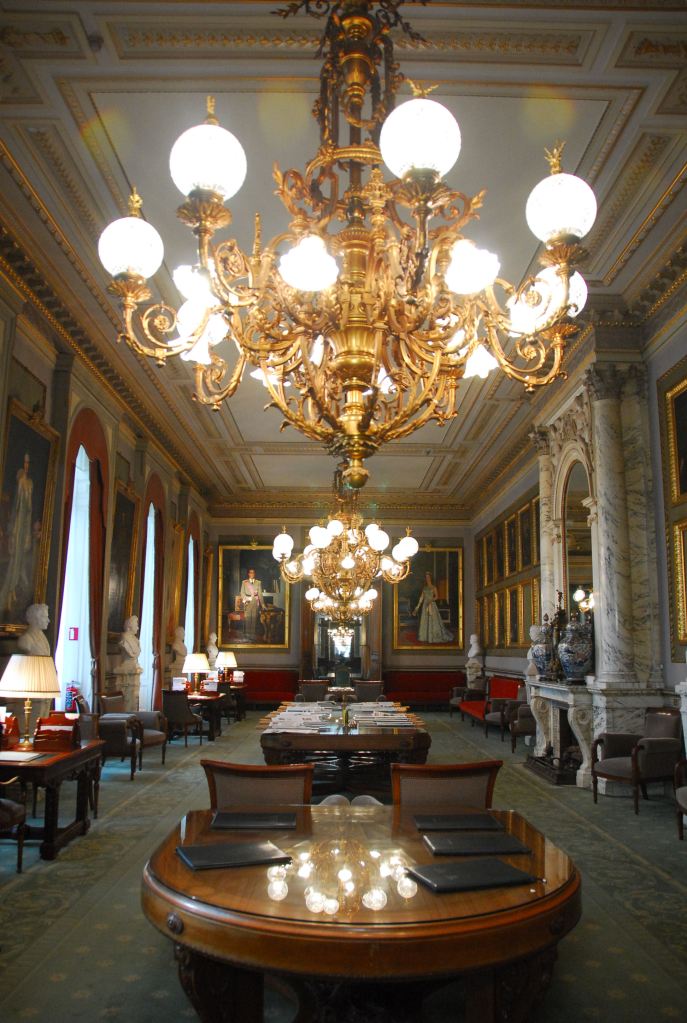
Fig. 6 – The Reading Room of the House of representatives
© Belgian Senate & House of Representatives

Fig. 7 – The Reading Room of the House of representatives. The overmantel of the fireplace.
© Belgian Senate & House of Representatives

Fig. 8 – The Reading Room of the House of representatives. A portion of the portrait gallery.
© Belgian Senate & House of Representatives
The Plenary Chamber or Hemicycle of the Senate

Fig. 9 – A portion of the Senate’s Plenary Chamber
© Belgian Senate & House of Representatives
On entering the Plenary Chamber of the Belgian Senate, the first thing that catches the eye is the gilded ceiling of the cupola (fig. 10). This gilding was added in 1863, together with the colour of the coats of arms and the carved royal cyphers, to a white neoclassical dome that had been erected when the hemicycle was built in 1849 by the architect Tilman-François Suys.
At the same time as this chromatic ’embellishment’, the Senate decided to decorate the circumference of the hemicycle with carved mahogany panels showing portraits of historical figures. The subject matter was established by the historian Joseph Kervyn de Lettenhove and the work was entrusted to the Tournais painter Louis Gallait, one of the luminaries of history painting in the second half of the 19th century. This gave him the opportunity to paint, from left to right, the group symbolizing “War and the Crusades”, including Pepin of Herstal, Charlemagne, Godfrey of Bouillon, Robert of Jerusalem and Baldwin of Constantinople. They are followed by Prince-Bishop Notger, John II of Brabant, Philip of Alsace, William the Good and Philip the Noble, representing the “law-making princes”. Finally, together with Charles V, the Archdukes Isabella and Albert and the Empress Maria Theresa, Philip the Good belongs to the group symbolizing “the arts and industries” or “the protectors of the sciences, arts and letters”. When the Plenary Chamber was enlarged at the beginning of the 20th century, the Senate commissioned two additional portraits for its hemicycle, those of Charles of Lorraine and Marie-Christine.
At the front, above the presidential tribune, the Belgian coat of arms and the press galleries, the history of the successive regimes that the Belgians had to face and fight against can be seen, from the Battle of the Golden Spurs in 1302 to the Battle of Waterloo in 1815, through the Dukes of Burgundy, Philip II and the Duke of Alba, Louis XIV, Joseph II and the Brabant Revolution. In 1897, these three large canvases by Jacques de Lalaing replaced the neoclassical painting by Édouard de Biefve entitled ‘Belgium Crowning Royalty’.
Beneath the busts of the first royal couple, Louise d’Orléans and Leopold I, by the sculptor Guillaume Geefs, two plaques pay tribute to the 36 civilians who dared to resist the German occupiers during the First World War and were sentenced to death by the military tribunal in the Senate hemicycle. Among them were two women, Edith Cavell and Gabrielle Petit.
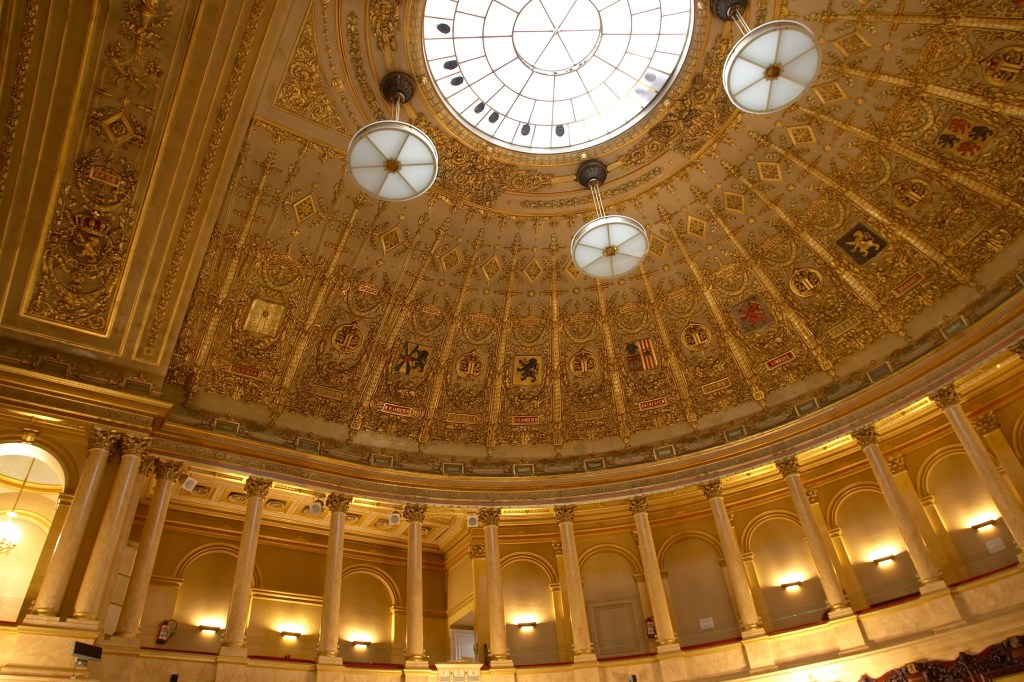
Fig. 10 – The ceiling of the Senate’s plenary Chamber
© KIK-IRPA Brussels
The Fountain with Kneeling Youths by George Minne
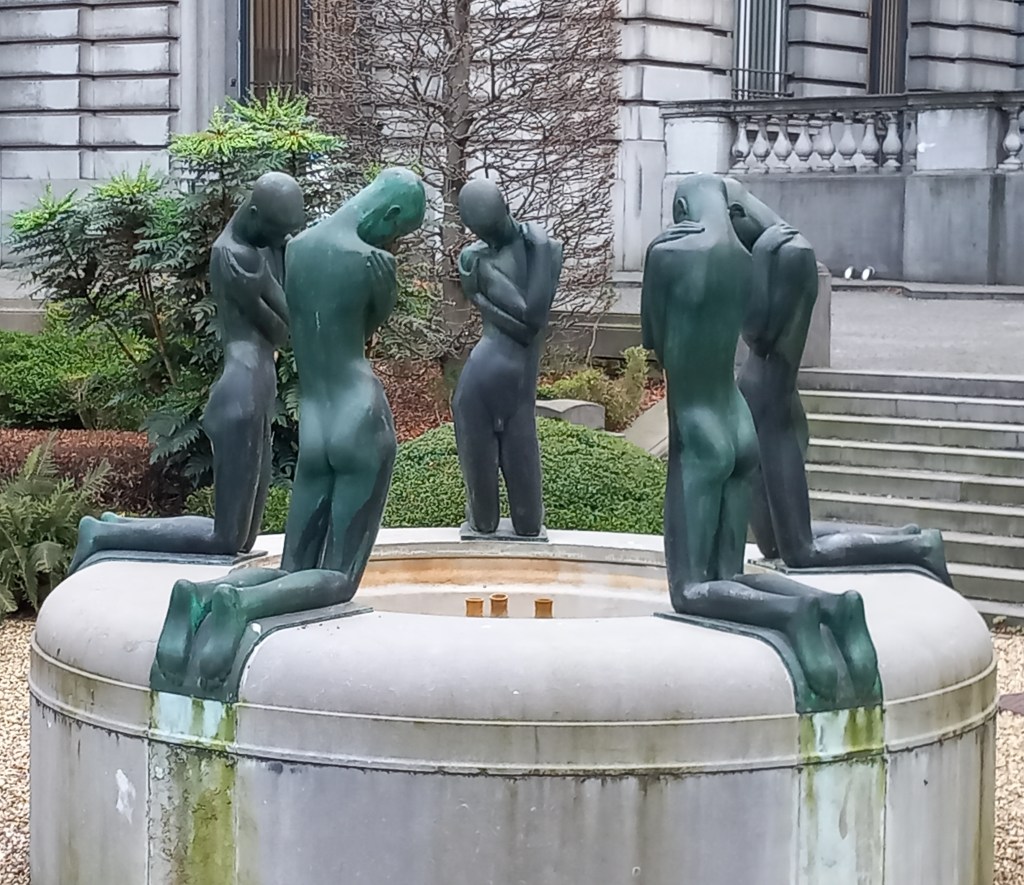
Fig. 11 – The Fountain with Kneeling Youths by George Minne
© Belgian Senate & House of Representatives
Visitors arriving at the Palace of the Nation through the Rue de Louvain will discover behind gates a small square surrounded by lampposts. Since July 1936, the “Fountain with Kneeling Youths” by the Ghent sculptor George Minne has stood in the middle of the square. The five youths were a gift to Parliament from Count Adrien Van der Burch, general commissioner of the 1935 World Fair in Brussels. Cast in bronze for the occasion and placed on a marble fountain, they greeted visitors at the entrance to the Modern Art Pavilion. The Guest Book of the exhibition described the work as ‘an introduction to modern art, of which it is one of the masterpieces’.
Minne’s concept of the kneeling ephebe or youth (or in other positions, holding relics or not) dates from 1898. There are several versions, as there are several versions of the fountain: a marble version in the Folkwang Museum in Essen, Germany, a bronze version on a black basalt basin in Ghent, and the version in Parliament, in bronze on a bluestone basin. The original plaster version, which the artist kept in his studio all his life, is now in the Museum of Fine Arts in Ghent.
George Minne would have liked his fountain to be placed on the Place de la Nation, Rue de la Loi. Trials were carried out using a scale model, which showed that this location would not make it stand out. An advisory committee made up of the Quaestors of the Senate and the House of Representatives decided to place it at the back, in the middle of a small garden created for this purpose.
The youths were now in the company of the figures on the large, monumental bronze vase (fig. 12) that Charles Brunin, a sculptor from Mons, created for the balustrade of the rear terrace of the Parliament building after winning a competitive examination for it in 1879. At 2.25 metres high, the front of the vase depicts allegorical figures of royalty, the legislative power and the judiciary, surrounded by around twenty citizens, often workers, moving towards a ballot box. Made in bronze by the Luppens workshops, it was installed in January 1883. Its base was designed by the ornamentalist Georges Houtstont, who also designed the lampposts on the Place de Louvain a little earlier.
Also on the square, one can see the rectangular pediment with the Belgian lion and the motto ‘L’Union fait la force‘, probably designed around 1875-1880 and possibly made by the same sculptor, Houtstont, but there seems to be no documentation or archives about this.
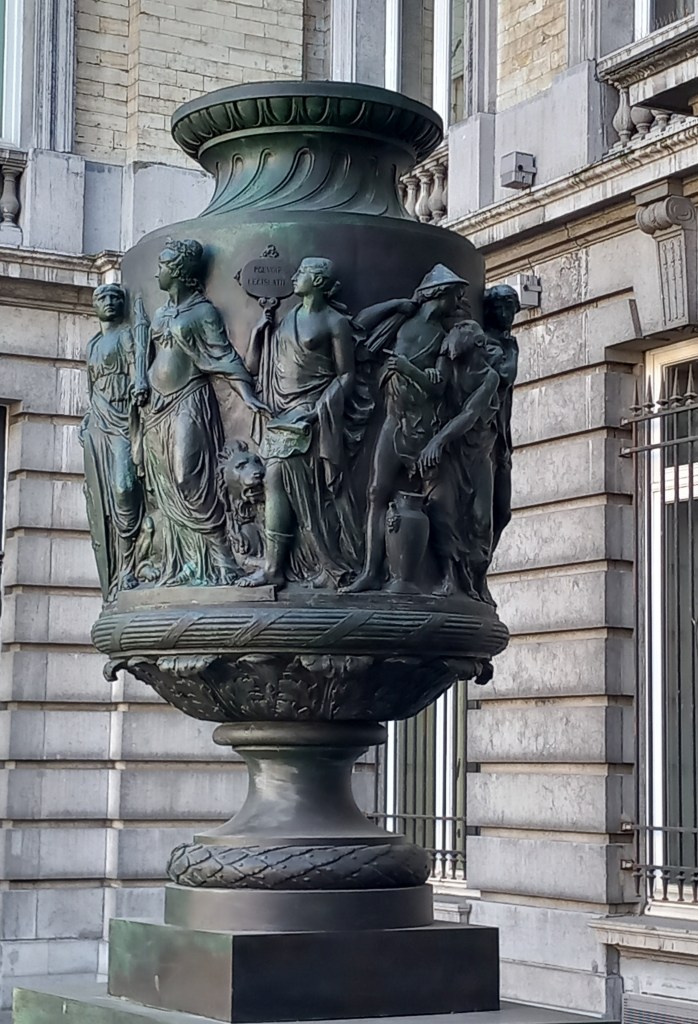
Fig. 12 – The monumental vase by Charles Brunin
© Belgian Senate & House of Representatives
 LES AMIS DU PATRIMOINE EUROPÉEN